Uncategorized

Advanced vascular and peripheral bypass surgery in Bhopal for restoring blood circulation in blocked leg arteries and improving limb health
Uncategorized

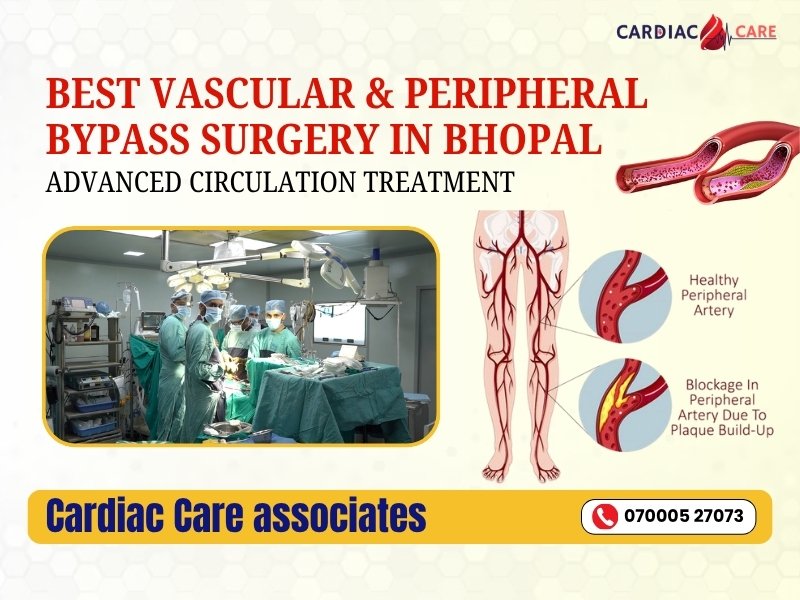
Best Vascular & Peripheral Bypass Surgery in Bhopal – Advanced Circulation Treatment

Healthy blood circulation is very important for the entire body. Every organ, muscle, and tissue needs oxygen-rich blood to function properly. The legs and feet especially depend on good circulation because they work continuously while walking, standing, and moving throughout the day. However, when blood vessels become narrow or blocked, blood cannot flow properly. As a result, the legs may start feeling weak, painful, cold, or numb. Many people ignore these symptoms in the beginning because they think the pain is caused by age or tiredness. Unfortunately, poor blood circulation can slowly become dangerous if it is not treated on time. In severe cases, reduced blood flow may lead to wounds that do not heal, infections, tissue damage, and even risk of amputation. Therefore, early diagnosis and proper treatment are extremely important. Today, advanced vascular treatments can successfully restore healthy blood flow and improve quality of life. One of the most effective treatments is Peripheral Bypass Surgery in Bhopal. This surgery creates a new pathway for blood circulation around blocked arteries and helps improve oxygen supply to the legs. At Cardiac Care Associates, patients receive advanced vascular and heart care using modern technology, experienced specialists, and patient-focused treatment plans. Under the guidance of the Best Cardiac Surgeon in Bhopal, many patients recover safely and regain comfortable movement and better circulation. What is Peripheral Artery Disease (PAD)? Peripheral Artery Disease, also known as PAD, is a condition in which the arteries carrying blood to the legs and feet become narrow or blocked. Normally, arteries transport oxygen-rich blood smoothly throughout the body. However, over time, fatty deposits called plaque collect inside the blood vessels. As plaque increases, arteries become narrow and stiff. Consequently, blood flow decreases gradually. When the legs do not receive enough oxygen-rich blood, patients may start experiencing pain, weakness, or difficulty while walking. In severe stages, even resting may become painful. Many patients suffering from severe PAD eventually require Peripheral Bypass Surgery in Bhopal to improve circulation and protect the affected limb. Common Symptoms of Peripheral Artery Disease The symptoms may appear slowly and worsen with time. Common warning signs include: Pain in legs during walking Cramping in calf muscles Cold feet or toes Numbness or tingling sensation Weakness in legs Skin discoloration Slow-healing wounds Weak pulse in feet Burning sensation in legs Some people stop walking frequently because of pain. This condition is called “claudication,” and it is a common sign of poor blood circulation. Early diagnosis helps prevent severe complications and improves treatment success. What is Peripheral Bypass Surgery? Peripheral Bypass Surgery in Bhopal is an advanced vascular procedure used to restore blood flow in blocked leg arteries. During the surgery, doctors create a new route for blood circulation around the blocked artery. This allows blood to bypass the damaged area and reach the legs properly again. A simple way to understand this surgery is to imagine a blocked road. When traffic cannot move through the main road, a new road is created to allow smooth movement. Similarly, bypass surgery creates a new pathway for blood flow. How the Surgery Works The surgeon uses: A healthy blood vessel from the patient’s body OR A special artificial graft This graft connects above and below the blocked artery. As a result, blood flows smoothly again to the legs and feet. Why is Peripheral Bypass Surgery Needed? Doctors may recommend surgery when: Artery blockage becomes severe Blood flow reduces dangerously Medicines no longer help Angioplasty is unsuccessful Pain affects daily life Foot wounds stop healing There is risk of tissue damage This surgery can help reduce pain, improve walking, save limbs, and restore a healthier lifestyle. Common Causes of Poor Blood Circulation Several health problems can damage blood vessels slowly over many years. Smoking Smoking is one of the biggest causes of artery damage. Chemicals in cigarettes narrow blood vessels and reduce oxygen supply. Smokers have a much higher risk of PAD. Diabetes High blood sugar damages arteries and nerves. Therefore, diabetic patients often develop circulation problems in the legs and feet. High Cholesterol Excess cholesterol forms fatty deposits inside blood vessels. Over time, these deposits block normal blood flow. High Blood Pressure Uncontrolled blood pressure weakens artery walls and increases vascular damage. Obesity and Lack of Exercise Extra body weight increases pressure on the heart and blood vessels. Inactive lifestyles also reduce circulation efficiency. Increasing Age As people age, blood vessels naturally lose flexibility and become more prone to blockage. The Best Cardiac Surgeon in Bhopal often recommends regular vascular screening for patients with diabetes, smoking habits, or high blood pressure because early treatment can prevent serious complications. Symptoms You Should Never Ignore Poor blood circulation usually develops slowly. Therefore, many people ignore the warning signs until the condition becomes severe. However, the body often gives early signals that should never be ignored. Important Symptoms Include Leg Pain During Walking Pain while walking is one of the earliest signs of PAD. The pain usually improves with rest. Burning Sensation Some patients feel burning or heaviness in the legs due to reduced oxygen supply. Weak Pulse in Feet Blocked arteries can weaken blood flow to the feet and toes. Skin Color Changes The skin may appear pale, bluish, or darker because of poor circulation. Non-Healing Wounds Cuts or ulcers on the feet may heal very slowly. Leg Cramping Muscles may cramp frequently during walking or climbing stairs. When Should You Consult a Doctor? You should seek medical attention immediately if: Leg pain increases regularly Walking becomes difficult Toes become dark or cold Foot wounds do not heal Pain occurs even during rest In many such cases, Peripheral Bypass Surgery in Bhopal can help restore blood flow and prevent further complications. Who May Need Peripheral Bypass Surgery? Not every patient with PAD (Peripheral Artery Disease) needs surgery. In fact, many people improve in the early stage with medicines, regular walking, and lifestyle changes. However, when the blockage becomes severe, blood flow to the legs reduces too much. In such cases,

Mitral Valve Replacement Surgery in Bhopal – Patient Guide
Uncategorized

Mitral Valve Replacement Surgery in Bhopal: Complete Guide for Patients

Heart problems are becoming very common today. Many people ignore early symptoms like tiredness or breathlessness, thinking they are normal. However, sometimes these signs point to serious heart conditions like mitral valve disease. When the valve becomes severely damaged, Mitral Valve Replacement Surgery in Bhopal becomes necessary to save life and restore heart function. At Cardiac Care Associates – Cardiothoracic Surgeon Bhopal, patients receive advanced cardiac treatment with modern technology and experienced doctors. This guide will help you understand everything about mitral valve replacement in a simple, clear, and easy-to-read way. Understanding the Mitral Valve and Its Importance The heart contains four valves that regulate blood flow, and the mitral valve is one of the most crucial. It sits between the left atrium and left ventricle, acting as a gate that ensures blood flows correctly. Key Functions of the Mitral Valve: Directs blood to flow in a single direction Prevents blood from leaking backward Maintains smooth and efficient circulation throughout the body A healthy mitral valve ensures the heart pumps efficiently. When it becomes damaged or stiff, it can disrupt blood flow and put extra strain on the heart, affecting overall health. What Is Mitral Valve Replacement Surgery? Mitral Valve Replacement Surgery in Bhopal is a life-saving procedure in which a severely damaged mitral valve is removed and replaced with a new artificial valve. Doctors recommend this surgery when the existing valve cannot be repaired. During the procedure: The faulty mitral valve is carefully removed A new valve—mechanical or biological—is implanted Normal blood flow through the heart is restored This surgery improves heart function, relieves symptoms, and reduces the risk of serious complications. Types of Mitral Valve Disease Knowing the type of mitral valve problem is crucial for proper diagnosis and treatment. The two most common types are: 1. Mitral Valve Regurgitation In this condition, the mitral valve fails to close completely. As a result, blood leaks backward into the left atrium, forcing the heart to work harder. Over time, this can cause fatigue, shortness of breath, and reduced exercise tolerance. 2. Mitral Valve Stenosis Here, the mitral valve becomes narrowed or stiff, restricting blood flow from the left atrium to the left ventricle. This increases pressure inside the heart and can lead to symptoms like breathlessness, swelling, and heart rhythm problems. If left untreated, it may result in serious heart complications. When Is Mitral Valve Replacement Needed? Doctors recommend Mitral Valve Replacement Surgery in Bhopal when the condition becomes severe. Surgery is required when: The valve is badly damaged Symptoms are worsening Heart pumping ability is reduced Repair is not possible Previous treatments have failed In some cases, surgery is advised even before symptoms become severe to avoid complications. A Best Cardiac Surgeon in Bhopal carefully evaluates all reports before recommending surgery. Causes of Mitral Valve Disease Mitral valve problems can occur due to different reasons. Common causes include: Age-related degeneration Rheumatic heart disease Congenital defects (since birth) Heart infections (endocarditis) High blood pressure Previous heart conditions Regular health check-ups help in early detection and treatment. Early Warning Signs of Mitral Valve Problems Many people overlook the initial signs of mitral valve issues, but early detection can prevent serious heart complications. Common symptoms to watch for include: Difficulty breathing, especially during activity or at night Persistent fatigue or low energy Chest pain or tightness Irregular or rapid heartbeat Swelling in the legs, ankles, or feet Lightheadedness or dizziness If you notice any of these symptoms, it’s important to consult a Best Cardiac Surgeon in Bhopal promptly for evaluation and timely treatment. Types of Valves Used in Mitral Valve Replacement Surgery During Mitral Valve Replacement Surgery in Bhopal, surgeons typically choose between two main types of replacement valves, based on the patient’s age, lifestyle, and medical condition. 1. Mechanical Valves Made from strong, long-lasting materials Can last a lifetime with proper care Require lifelong blood-thinning medications to prevent clots 2. Biological (Tissue) Valves Made from animal (pig or cow) or human heart tissue Usually do not require long-term blood thinners May need replacement after 10–15 years Your cardiac surgeon will guide you to select the most suitable valve for long-term heart health and quality of life. Surgical Techniques for Mitral Valve Replacement Advancements in cardiac surgery allow doctors to perform mitral valve replacement using several approaches tailored to each patient’s condition. Open-Heart Surgery Traditional approach with a full chest incision Provides direct access to the heart Preferred for complex cases Minimally Invasive Surgery Small incisions instead of a full chest opening Faster recovery with less pain and scarring Shorter hospital stay Robotic-Assisted Surgery Uses robotic technology for precise movements Enables high-accuracy valve placement with minimal invasiveness Transcatheter Procedure Non-surgical method using a catheter to replace the valve Ideal for high-risk patients who cannot undergo open-heart surgery Reduces recovery time significantly These options allow patients to choose a surgical method that balances effectiveness, safety, and recovery time, under the guidance of a Best Cardiac Surgeon in Bhopal. Step-by-Step Procedure for Mitral Valve Replacement Surgery Before Surgery Before undergoing Mitral Valve Replacement Surgery in Bhopal, your doctors will conduct a series of tests to assess your heart’s condition and ensure a safe procedure. These typically include: Echocardiography – to examine the heart valves and chambers Electrocardiogram (ECG) – to check the heart’s electrical activity Blood tests – to evaluate overall health and clotting ability Angiography – to assess the blood vessels and blood flow In addition, patients receive detailed guidance on diet, medications, and pre-surgery preparations to ensure the body is ready for surgery. During Surgery The surgery is performed under general anesthesia, keeping you completely asleep and pain-free. A heart-lung bypass machine is used to maintain circulation while the heart is temporarily stopped. The surgeon then: Removes the damaged mitral valve Inserts a new mechanical or biological valve Ensures proper placement and functioning of the new valve The entire procedure typically lasts 3–5 hours, depending on the complexity of the case. After Surgery After surgery, patients are closely monitored in

Mitral-Valve-Repair-Surgery-in-Bhopal-Symptoms-Procedure-Benefits-Recovery.jpg
Uncategorized

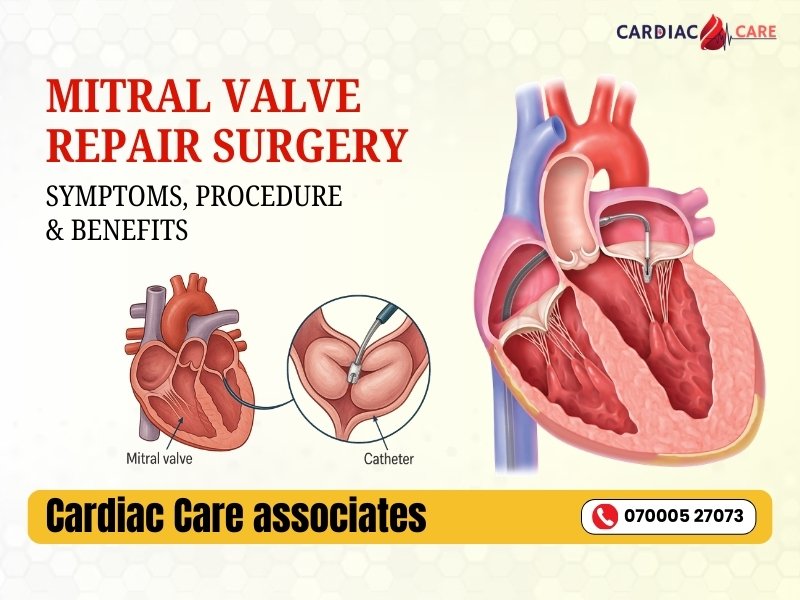
Mitral Valve Repair Surgery in Bhopal: Symptoms, Procedure, Benefits & Recovery

Heart valve diseases are becoming more common, especially among adults and elderly patients. One of the most important valves in the heart is the mitral valve, which plays a major role in maintaining smooth blood circulation. When this valve becomes damaged or weak, it can lead to serious heart problems if not treated on time. Fortunately, modern cardiology offers effective treatment options such as Mitral Valve Repair Surgery in Bhopal, which helps restore normal heart function while preserving the natural valve. At Cardiac Care Associates – Heart Hospital in Bhopal, experienced cardiac specialists provide advanced diagnosis and treatment for patients suffering from mitral valve disease. In this article, we will explain everything about Mitral Valve Repair Surgery, including symptoms, causes, diagnosis, treatment procedure, recovery, and lifestyle care in a simple and patient-friendly manner. Understanding the Mitral Valve and Its Role in the Heart The human heart has four important valves that control blood flow. One of them is the mitral valve, located between the left atrium and left ventricle. Its job is simple but very important. When the heart beats: The mitral valve opens to allow oxygen-rich blood to move from the left atrium to the left ventricle. It then closes tightly to prevent blood from flowing backward. This one-way flow ensures that blood circulates efficiently throughout the body. However, when the mitral valve becomes weak, stiff, or damaged, it may fail to close properly. This condition is called Mitral Valve Regurgitation. Over time, it can put extra pressure on the heart and lead to complications. In such cases, doctors may recommend Mitral Valve Repair Surgery in Bhopal to correct the problem and restore normal heart function. What is Mitral Valve Repair Surgery? Mitral Valve Repair Surgery is a specialized heart valve repair surgery used to fix problems in the mitral valve without removing it. Instead of replacing the valve, surgeons repair the existing valve structure so it works properly again. During this procedure, the surgeon may: Tighten the valve ring (annuloplasty) Repair torn valve leaflets Remove excess tissue Reconstruct damaged valve parts Because the natural valve is preserved, mitral valve repair surgery often provides better long-term results than valve replacement in suitable patients. Patients who undergo Mitral Valve Repair Surgery in Bhopal usually experience improved heart function and faster recovery compared to valve replacement procedures. Causes of Mitral Valve Disease Mitral valve problems can occur due to several medical conditions. Understanding the cause helps doctors choose the best treatment. 1. Mitral Valve Regurgitation This is the most common cause of mitral valve disease. In this condition, the valve does not close properly, allowing blood to leak backward into the heart chamber. This can lead to: Heart enlargement Reduced pumping ability Breathlessness Early treatment with Mitral Valve Repair Surgery in Bhopal can prevent these complications. 2. Rheumatic Heart Disease Rheumatic fever, usually caused by untreated throat infections, can damage heart valves. Over time, this condition can cause: Valve thickening Restricted valve movement Blood flow obstruction 3. Congenital Heart Defects Some people are born with abnormal mitral valves. These structural defects may cause valve leakage or narrowing later in life. 4. Heart Infections (Endocarditis) Bacterial infections can attack the heart valve and damage its structure. This condition requires early medical treatment and sometimes surgery. 5. Age-Related Valve Degeneration As people age, heart valves may naturally weaken. This may cause mitral valve prolapse, where the valve leaflets bulge backward during heartbeats. Symptoms of Mitral Valve Problems Mitral valve disease may develop slowly. Some patients may not notice symptoms in the early stages. However, as the condition progresses, symptoms may include: Breathlessness Patients may feel short of breath during walking or physical activity. Fatigue and Weakness Reduced blood circulation can cause constant tiredness. Heart Palpitations Irregular or fast heartbeats may occur. Chest Discomfort Some patients experience mild chest pressure or discomfort. Swelling in Legs and Ankles Fluid buildup may cause swelling in the lower limbs. If these symptoms appear frequently, patients should consult a Best Cardiac surgeon in Bhopal for proper evaluation. Diagnosis of Mitral Valve Disease Accurate diagnosis is essential before planning treatment. At Cardiac Care Associates – Heart Hospital in Bhopal, cardiologists use advanced diagnostic tools to evaluate valve function. Echocardiography (Heart Ultrasound) This is the most important test used to diagnose mitral valve problems. It shows: Valve structure Blood flow direction Severity of valve leakage Electrocardiogram (ECG) ECG records the electrical activity of the heart and helps detect irregular heart rhythms. Chest X-ray This test helps doctors evaluate heart size and detect fluid buildup in the lungs. Cardiac CT or MRI In some cases, detailed imaging is required to assess valve damage. After reviewing these tests, a Best Cardiac surgeon in Bhopal can determine whether repair surgery is needed. When is Mitral Valve Repair Surgery Needed? Not every patient with mitral valve disease requires surgery immediately. However, surgery may be recommended when: The valve leakage becomes severe Symptoms affect daily life The heart begins to enlarge The pumping function of the heart weakens There is a risk of heart failure Early treatment with Mitral Valve Repair Surgery in Bhopal helps prevent long-term damage to the heart. Procedure of Mitral Valve Repair Surgery Mitral valve repair is performed by experienced cardiac surgeons in a controlled surgical environment. Here is a simple explanation of the procedure. Before Surgery Patients undergo several tests including: Blood tests Heart imaging ECG Medical evaluation Doctors explain the procedure and prepare the patient for surgery. During Surgery The surgery is performed under general anesthesia. Steps usually include: A small incision is made in the chest. The heart is temporarily connected to a heart-lung machine. The surgeon repairs the damaged valve structures. The valve ring may be tightened using a special surgical ring. The procedure usually takes 3 to 4 hours. Hospital Stay After surgery: Patients stay in ICU for monitoring. Total hospital stay is usually 5–7 days. Patients undergoing Mitral Valve Repair Surgery in Bhopal receive continuous care from a team of cardiologists, surgeons, and critical

Valve Replacement Surgery in Bhopal showing heart valve procedure and recovery care by best cardiac specialists
Uncategorized

Valve Replacement Surgery: Symptoms, Procedure & Recovery Guide in Bhopal

Heart problems can feel scary. But when we understand them clearly, they become easier to manage. One serious heart condition is valve disease. If not treated on time, it can become dangerous. The good news is that safe and advanced treatment is available today with the Best Doctors for Valve replacement in Bhopal. At Cardiac Care Associates, patients receive complete heart care—from diagnosis to recovery. Under the guidance of a Best Heart Surgeon in Bhopal, valve replacement surgery is performed with modern techniques and high safety standards. Let us understand everything step by step in simple language. What Is Heart Valve Disease? Your heart is like a strong water pump. Inside this pump, there are four small doors called valves. These valves open to let blood move forward and close to stop blood from flowing backward. When these valves stop working properly, the condition is called heart valve disease. There are two main problems: Valve Stenosis – The valve becomes narrow and does not open properly. Valve Regurgitation – The valve becomes weak and leaks blood backward. When this happens, the heart must work harder. On time, this can damage the heart muscle. That is why early diagnosis by the Best Doctors for Valve replacement in Bhopal is very important. Why Valve Problems Can Become Life-Threatening Many people ignore symptoms like tiredness or breathlessness. However, untreated valve disease can lead to: Severe breathlessness Swelling in legs Chest pain Irregular heartbeat Heart failure If the heart becomes too weak, it may not pump enough blood to the body. In serious cases, it can even become life-threatening. Consulting a Best Heart Surgeon in Bhopal at the right time can prevent these complications. Understanding the 4 Heart Valves The heart has four valves: 1. Aortic Valve Sends blood from the heart to the entire body. 2. Mitral Valve Controls blood flow between the left chambers of the heart. 3. Tricuspid Valve Controls blood flow on the right side. 4. Pulmonary Valve Sends blood to the lungs to receive oxygen. These valves open and close around 100,000 times every day. Even small damage can disturb blood circulation. That is why evaluation by the Best Doctors for Valve replacement in Bhopal is essential when symptoms appear. What Is Valve Replacement Surgery? Valve replacement surgery is a procedure where a damaged valve is removed and Replaced with a new mechanical or biological value. If the valve damage is severe and cannot be repaired, replacement becomes necessary. A Best Heart Surgeon in Bhopal carefully examines reports and decides whether repair or replacement is better. The goal of surgery is simple: Restore normal blood flow Reduce symptoms Improve quality of life Increase survival rate When Is Valve Replacement Surgery Needed? Doctors recommend surgery when: The valve damage is severe Symptoms affect daily life The heart becomes enlarged There is risk of heart failure Previous valve repair has failed Common symptoms include: Shortness of breath Chest discomfort palpitation Swelling in feet Fatigue Dizziness or fainting If you notice these signs, consult the Best Doctors for Valve replacement in Bhopal without delay. Causes of Valve Disease Valve problems can develop due to: Age-Related Changes Valves may become stiff after age 60–70. Rheumatic Heart Disease Untreated throat infections in childhood can damage valves. Congenital Defects Some people are born with abnormal valves. Infection (Endocarditis) Bacterial infection can damage valve tissue. High Blood Pressure Long-term pressure weakens heart valves. Connective Tissue Disorders Conditions like Marfan syndrome or Ehlers-Danlos syndrome can affect valve strength and function. Idiopathic Causes Some valve problems develop without a known cause, referred to as idiopathic valve disease. Early screening by the Best Doctors for Valve replacement in Bhopal can detect these issues before they become severe. Types of Valve Replacement When a heart valve is badly damaged, doctors replace it with a new one. However, not all replacement options are the same. The type of valve and surgical method depends on the patient’s age, medical condition, and daily lifestyle. Here are the main types explained in simple words: Mechanical Valves Mechanical valves are made from strong artificial materials. They are designed to last a very long time. Extremely durable Can last 20–30 years or more Suitable for younger patients Require lifelong blood-thinning medication to prevent clots These valves are strong, but regular follow-up and medication are very important. Tissue (Biological) Valves Tissue valves are made from animal tissue (such as pig or cow). They work more like natural heart valves. Feel more natural in blood flow Usually last 10–15 years Often require less long-term blood thinner use Suitable for older patients They may not last as long as mechanical valves, but they reduce the need for lifelong medication in many cases. Minimally Invasive Valve Surgery This is a modern surgical technique. Instead of a large chest opening, doctors use a smaller cut. Smaller incision Less pain after surgery Reduced blood loss Faster recovery time Shorter hospital stay Many patients prefer this method when they are suitable candidates. Open-Heart Valve Surgery This is the traditional and widely used method. It involves opening the chest to access the heart directly. Ideal for complex or multiple valve problems Highly effective and time-tested Recommended when minimally invasive surgery is not suitable An experienced Best Heart Surgeon in Bhopal carefully evaluates each patient and explains the advantages and risks of every option. Based on age, lifestyle, medical history, and overall heart health, the surgeon helps choose the safest and most effective treatment plan. Step-by-Step Valve Replacement Procedure Understanding the process helps reduce fear. Before Surgery Doctors perform: Echocardiography ECG Blood tests Chest X-ray Angiography (if required) During Surgery General anesthesia is given The damaged valve is removed The new valve is placed securely The procedure takes 3–5 hours After Surgery ICU monitoring for 24–48 hours Hospital stay for 5–7 days Pain is managed with medication The Best Doctors for Valve replacement in Bhopal ensure safety at every step. Benefits of Valve Replacement Surgery Valve replacement surgery can truly change a person’s life.

Minimally invasive cardiac surgery in Bhopal offering safer heart treatment and faster recovery
Uncategorized

Minimally Invasive Cardiac Surgery in Bhopal: Safer Heart Treatment with Faster Recovery

Heart disease continues to rise across India, affecting people at younger ages than ever before. However, medical science has advanced rapidly. As a result, patients now have access to safer and less painful treatment options. One such breakthrough is minimally invasive heart surgery in Bhopal, which offers effective results with quicker recovery and fewer complications. At Cardiac Care Associates, patients receive advanced heart treatment using modern techniques that focus on precision, safety, and faster healing. This blog explains everything you need to know about minimally invasive heart surgery in Bhopal, including benefits, procedures, recovery, and how the right cardiac surgeon in Bhopal makes a life-changing difference. Understanding Minimally Invasive Heart Surgery Traditionally, heart surgery required opening the chest by cutting through the breastbone. Although effective, it often involved more pain, longer hospital stays, and extended recovery periods. In contrast, minimally invasive heart surgery in Bhopal uses small incisions, advanced instruments, and high-definition imaging to perform complex heart procedures without fully opening the chest. Therefore, patients experience less trauma and faster healing. Most importantly, this approach protects surrounding tissues while delivering the same, or even better, outcomes than conventional surgery. Why Minimally Invasive Heart Surgery Is Gaining Popularity Over the years, patients and doctors alike have preferred minimally invasive techniques. The reasons are clear and patient-focused. Key advantages include: Smaller cuts instead of a large chest incision Less blood loss during surgery Reduced pain after the procedure Shorter ICU and hospital stay Faster return to daily activities Minimal scarring Lower risk of infection Because of these benefits, minimally invasive heart surgery in Bhopal is becoming the first choice for eligible patients. Conditions Treated with Minimally Invasive Cardiac Surgery Not all heart conditions require open surgery. In fact, many problems can now be treated using minimally invasive methods when handled by an experienced cardiac surgeon in Bhopal. Common conditions include: Coronary artery disease Heart valve disorders (mitral and aortic valves) Atrial septal defects (ASD) Certain congenital heart defects Selected bypass surgeries At Cardiac Care Associates, careful evaluation ensures that only suitable patients are advised for minimally invasive heart surgery in Bhopal, maintaining safety as the top priority. Types of Minimally Invasive Heart Surgery Different techniques are used depending on the heart condition and patient health. A skilled cardiac surgeon in Bhopal selects the best approach after detailed testing. 1. Minimally Invasive Coronary Artery Bypass Surgery Instead of opening the chest, bypass surgery is performed through small side incisions. This allows blood flow to bypass blocked arteries with minimal trauma. 2. Minimally Invasive Valve Surgery Heart valve repair or replacement is done using tiny incisions and special instruments. Recovery is significantly faster compared to traditional methods. 3. Beating Heart Surgery In some cases, surgery is performed while the heart is still beating. This avoids the need for a heart-lung machine and further reduces recovery time. Each method plays a crucial role in modern minimally invasive heart surgery in Bhopal. Step-by-Step: How the Procedure Is Performed Before Surgery First, doctors conduct thorough evaluations, including: ECG and echocardiography Coronary angiography Blood tests Chest imaging After that, medications are adjusted, and the patient is fully prepared for surgery. During Surgery General anesthesia ensures comfort Small incisions are made between the ribs Specialized instruments and cameras guide the surgeon The heart condition is corrected with precision Because the chest bone remains intact, healing is faster. After Surgery Patients are shifted to ICU for close monitoring Pain is well controlled Walking usually begins within 24–48 hours This structured approach makes minimally invasive heart surgery in Bhopal both safe and effective. Recovery and Healing After Surgery Recovery is one of the biggest advantages of minimally invasive techniques. What patients can expect: ICU stay: 1–2 days Hospital stay: 4–6 days Walking: within 1–2 days Return to routine activities: 2–4 weeks Moreover, cardiac rehabilitation further improves strength and confidence. Under the guidance of a trusted cardiac surgeon in Bhopal, recovery becomes smooth and stress-free. Safety, Risks, and Success Rates When performed by experienced hands, minimally invasive heart surgery in Bhopal shows excellent success rates. Possible risks (rare): Bleeding Infection Irregular heartbeat However, these risks are significantly lower compared to open-heart surgery. At Cardiac Care Associates, strict protocols and advanced technology minimize complications and improve outcomes. Lifestyle After Minimally Invasive Heart Surgery Although surgery improves blood flow and heart function, long-term success depends on healthy habits. Therefore, patients are advised to: Quit smoking completely Eat a heart-healthy diet Exercise regularly Control blood pressure and diabetes Manage stress effectively A dedicated cardiac surgeon in Bhopal ensures continuous guidance even after surgery. Why Choose Cardiac Care Associates? Selecting the right hospital and heart specialist is crucial for successful treatment and long-term heart health. Cardiac Care Associates is a trusted name in advanced cardiac care, known for its commitment to safety, precision, and patient comfort. Here’s what makes Cardiac Care Associates stand out: Advanced cardiac infrastructure with the latest diagnostic and surgical technology Highly experienced heart specialists trained in modern cardiac procedures State-of-the-art ICUs and operation theatres for safe surgeries and close monitoring Patient-centric approach, focusing on comfort, clarity, and emotional support High success rates, even in complex and high-risk heart cases Above all, the team believes in personalized treatment plans. This focused approach ensures that minimally invasive heart surgery in Bhopal is not only safer but also more effective, leading to faster recovery and better long-term outcomes. Choosing the Right Cardiac Surgeon in Bhopal Selecting the right surgeon is one of the most important steps in ensuring a safe procedure and a smooth recovery. The skill and experience of the doctor play a direct role in the success of heart surgery and long-term results. When choosing a heart specialist, consider the following points: Years of experience in cardiac surgery, especially in handling complex cases Expertise in minimally invasive techniques, which support quicker healing and less discomfort Access to modern medical facilities, including advanced operation theatres and intensive care units Clear communication and compassionate care, so you feel informed, confident, and supported An experienced

Coronary Artery Surgery in Bhopal treatment performed by best heart specialist
Uncategorized

Coronary Artery Surgery: Advanced Heart Care in Bhopal

Heart disease has become one of the most pressing health concerns today. In India, nearly 25% of deaths are due to heart-related conditions, and coronary artery disease is a major contributor. When the arteries that supply blood to the heart become blocked, the heart struggles to get enough oxygen. Consequently, this may lead to chest pain, breathlessness, heart attacks, and even sudden death. Thankfully, Cardiac Care associatesCoronary Artery Surgery in Bhopal provides a modern, trusted solution for patients with severe heart blockages. With advanced hospitals, skilled surgeons, and state-of-the-art surgical techniques, patients in Bhopal can now access world-class heart care locally. In this blog, we will explain everything you need to know about Coronary Artery Surgery in Bhopal in a clear, step-by-step, and easy-to-understand manner. What Are Coronary Arteries and Why Are They Important? The heart is a strong muscle that beats continuously, day and night, without any pause. In order to function efficiently, it requires a constant supply of oxygen and nutrients, which is delivered by coronary arteries. These arteries play a vital role in maintaining heart health. The main coronary arteries are: Left Anterior Descending (LAD) artery – supplies blood to the front portion of the heart. Left Circumflex (LCX) artery – supplies blood to the side and back of the heart. Right Coronary Artery (RCA) – supplies blood to the lower and rear sections of the heart. When these arteries are healthy, blood flows freely, and the heart works properly. However, over time, fatty deposits called plaque can accumulate inside the arteries. As a result, the arteries narrow, reducing blood flow. This condition is called coronary artery disease. If an artery becomes blocked by more than 70%, the heart may not receive enough oxygen. This can lead to chest pain, breathlessness, fatigue, or even a heart attack. In such cases, Coronary Artery Surgery in Bhopal is recommended to restore blood flow and ensure the heart functions properly. What Is Coronary Artery Surgery? Coronary Artery Surgery in Bhopal is a procedure performed when one or more coronary arteries are blocked or severely narrowed. These blockages reduce blood supply to the heart, making it difficult for the heart to pump effectively. The main goal of the surgery is to create a new pathway for blood to reach the heart, ensuring oxygen and nutrient supply. The most common procedure is Coronary Artery Bypass Grafting (CABG). How CABG Works A healthy blood vessel is taken from the chest, leg, or arm. The vessel is grafted beyond the blocked artery, creating a new pathway. Blood flows smoothly through the new vessel, bypassing the blockage. Although CABG does not cure coronary artery disease completely, it offers major benefits: Reduces chest pain (angina) Improves breathing and energy levels Lowers the risk of heart attacks Increases overall life expectancy A Best Heart Specialist in Bhopal carefully evaluates test results, symptoms, and the patient’s overall condition to determine if surgery is necessary. Why Coronary Artery Surgery Is Done Doctors recommend Coronary Artery Surgery in Bhopal when blood flow to the heart is severely reduced and medicines or other treatments are ineffective. Surgery is advised in situations such as: Blockage of the left main coronary artery, which supplies a large part of the heart Severe narrowing in two or more arteries Persistent chest pain despite medications and lifestyle changes Failed or unsuitable angioplasty or stenting High risk of heart attack In emergencies, like during an active heart attack, surgery may be performed immediately to save life. Experienced Best Heart Specialists in Bhopal evaluate the patient carefully to ensure safety and effective results. Common Symptoms of Severe Heart Blockage Severe blockages often develop slowly and silently. However, early warning signs should never be ignored. Look out for the following: Chest pain or heaviness, especially during physical activity or stress Shortness of breath, even during light daily activities Pain radiating to the arm, neck, jaw, shoulder, or back Extreme fatigue without significant exertion Dizziness or fainting Irregular or fast heartbeat If you notice these symptoms, immediate consultation with a Best Heart Specialist in Bhopal is critical. Early treatment can prevent serious complications and may reduce the need for emergency surgery. Types of Coronary Artery Surgery Surgery is customized based on the patient’s condition, age, and the location of the blockage. Coronary Artery Bypass Grafting (CABG) Most common procedure Uses one or more grafts to bypass blocked arteries Off-Pump (Beating Heart) Surgery Surgery is performed without stopping the heart May reduce bleeding and shorten recovery time in suitable patients Minimally Invasive Coronary Surgery Performed through small incisions Faster recovery and less post-operative pain The type of surgery is decided by a Best Heart Specialist in Arya Nagar Bhopal, based on each patient’s unique condition. Step-by-Step: How Coronary Artery Surgery Is Performed Coronary Artery Surgery in Barkheda Bhopal is performed in a careful, stepwise manner to ensure safety and success. Before Surgery ECG to check heart rhythm Coronary angiography to identify blockages Blood tests to assess overall health Echocardiography to evaluate heart function Adjustments in medications to minimize surgical risks During Surgery Patient is given general anesthesia Breathing machine supports respiration Heart-lung machine may be used if needed Surgery typically lasts 3–6 hours Healthy vessel grafted beyond blocked artery to restore blood flow After Surgery ICU stay for 1–2 days Continuous monitoring of heart rhythm, oxygen, and breathing Pain-relief and blood-thinning medications administered This careful approach makes Coronary Artery Surgery in Bhopal safe and highly effective. Safety, Risks, and Success Rate Modern coronary artery surgery has a success rate of over 95% in stable patients. Possible risks include: Bleeding Infection Irregular heartbeat Stroke (1–3%) Temporary kidney problems Risks are slightly higher in emergency cases or in patients with diabetes, kidney disease, or lung problems. Choosing a skilled Best Heart Specialist in Bhopal significantly reduces risks. Recovery After Coronary Artery Surgery Recovery usually takes 6–12 weeks, depending on the patient’s overall health. Hospital stay: 5–7 days Walking: starts within 2–3 days Normal activities: resume in 4–6 weeks Cardiac rehabilitation: supervised exercises,

Modern solutions for heart blockage treatment in Bhopal
Uncategorized

Heart Blockage Treatment in Bhopal: Complete Guide to Angioplasty and Peripheral Bypass Surgery

Heart health is one of the most vital aspects of life, yet cardiovascular diseases are becoming increasingly common. Modern lifestyles, unhealthy diets, sedentary habits, and stress all contribute to the development of heart blockages and peripheral artery disease. These conditions, if left untreated, can significantly affect quality of life and may even become life-threatening. At Cardiac Care Associates, Bhopal, we specialize in comprehensive heart blockage treatment in Bhopal, offering advanced procedures like angioplasty and peripheral bypass surgery performed by experienced cardiac surgeons in Bhopal. This guide provides a detailed, step-by-step explanation of these procedures, their benefits, symptoms, recovery process, and tips for maintaining long-term heart and vascular health. What Is Heart Blockage? Heart blockage, medically known as coronary artery disease (CAD), occurs when the arteries that supply blood to the heart become narrowed or blocked due to plaque buildup. Plaque consists of fat, cholesterol, calcium, and other substances in the blood. Over time, this buildup reduces the flow of oxygen-rich blood to the heart muscles, which can cause chest pain (angina), shortness of breath, and even heart attacks. Causes of Heart Blockage Heart blockages typically develop slowly and silently. Common factors that increase the risk include: Unhealthy diet: Regular consumption of fried, oily, and processed foods high in cholesterol and saturated fats. Smoking and tobacco use: Both increase plaque buildup and reduce oxygen supply to the heart. Sedentary lifestyle: Lack of exercise weakens heart muscles and contributes to obesity and high cholesterol. Medical conditions: Diabetes, high blood pressure, and high cholesterol levels are major risk factors. Stress and poor sleep: Chronic stress and sleep deprivation can increase blood pressure and damage arteries. Understanding these causes helps in preventing heart problems and emphasizes the importance of early intervention through heart blockage treatment in Bhopal. Symptoms of Heart Blockage Detecting heart blockages early is crucial to prevent severe complications. Common warning signs include: Persistent chest pain or heaviness Pain radiating to the left arm, shoulder, jaw, or back Shortness of breath, even during light activity Dizziness, fainting, or extreme fatigue Rapid or irregular heartbeat If you notice these symptoms, it is essential to consult a cardiac surgeon in Bhopal immediately. Early diagnosis and treatment can save lives. Angioplasty: A Modern Solution for Heart Blockages Angioplasty is a minimally invasive procedure that restores blood flow in blocked or narrowed coronary arteries. This method has become one of the most preferred options for heart blockage treatment in Bhopal, offering faster recovery, lower risks, and effective results. What Is Angioplasty? Angioplasty, also known as percutaneous coronary intervention (PCI), involves inserting a thin, flexible tube called a catheter into a blood vessel, usually in the wrist or groin. The catheter is guided to the blocked artery, and a small balloon at the tip is inflated to push the plaque aside, widening the artery. In many cases, a stent—a tiny metal mesh tube—is inserted to keep the artery open permanently. This procedure immediately improves blood flow, reduces chest pain, and prevents heart attacks, making it a highly effective option for patients with coronary artery disease. When Is Angioplasty Recommended? Angioplasty is typically recommended when medications alone are not sufficient or when the patient experiences: Persistent chest pain despite medication Severe arterial narrowing identified through diagnostic tests Acute heart attacks or reduced blood flow to heart muscles Recurrent angina or symptoms that limit daily activities A skilled cardiac surgeon in Bhopal carefully evaluates each patient’s condition to determine if angioplasty is the safest and most effective treatment option. Step-by-Step Angioplasty Procedure Understanding how the procedure works can help reduce anxiety and ensure better patient cooperation. Step 1: Preparation Patients are given local anesthesia along with mild sedation. Unlike open-heart surgery, angioplasty does not require major incisions, making it less intimidating and safer for most patients. Vital signs are monitored throughout the procedure. Step 2: Catheter Insertion A thin, flexible tube (catheter) is inserted through a small puncture in the wrist or groin. The catheter is carefully guided to the blocked artery using imaging techniques. This step is crucial for precise placement of the balloon and stent. Step 3: Balloon Inflation Once the catheter reaches the blockage, the balloon at its tip is inflated. This compresses the plaque against the artery walls and widens the passage for blood flow. Step 4: Stent Placement In most cases, a stent is inserted to ensure the artery remains open. Modern stents may be drug-eluting or bioresorbable, offering long-term benefits and minimizing the risk of re-narrowing. Step 5: Completion After successful stent placement, the catheter is removed, and the insertion site is bandaged. Patients usually recover within 1–2 days and can gradually resume normal activities with guidance from their cardiac surgeon in Jawahar Chowk Bhopal. Advantages of Angioplasty Angioplasty offers numerous benefits compared to traditional surgical approaches: Minimally invasive: No large cuts or general anesthesia required. Shorter hospital stay: Most patients are discharged within 1–2 days. Immediate symptom relief: Chest pain and fatigue often improve immediately. Lower risk of complications: Reduced risk of infection and bleeding. Quick recovery: Patients can resume normal activities sooner. By choosing an experienced cardiac surgeon in Bhopal, patients maximize safety and treatment effectiveness. Peripheral Bypass Surgery: Restoring Blood Flow to the Limbs Peripheral artery disease (PAD) occurs when arteries in the legs become blocked or severely narrowed, reducing blood flow and oxygen supply. PAD can cause pain, numbness, non-healing wounds, and in severe cases, may lead to limb loss. Peripheral bypass surgery is a specialized procedure that creates an alternative pathway for blood to bypass blocked arteries, restoring proper circulation. Symptoms Indicating Peripheral Artery Disease Early recognition of PAD is key to preventing serious complications. Common symptoms include: Pain or cramping in the legs or calves while walking Persistent leg pain even at rest Numbness, tingling, or weakness in legs Cold feet or discoloration of skin Weak pulses in the feet or legs Patients experiencing these signs should consult a cardiac surgeon in Jawahar Chowk, Bhopal for timely evaluation and treatment. Types of Peripheral Bypass Surgery At