
Heart Valve Replacement in Bhopal
What Is Heart Valve Replacement?
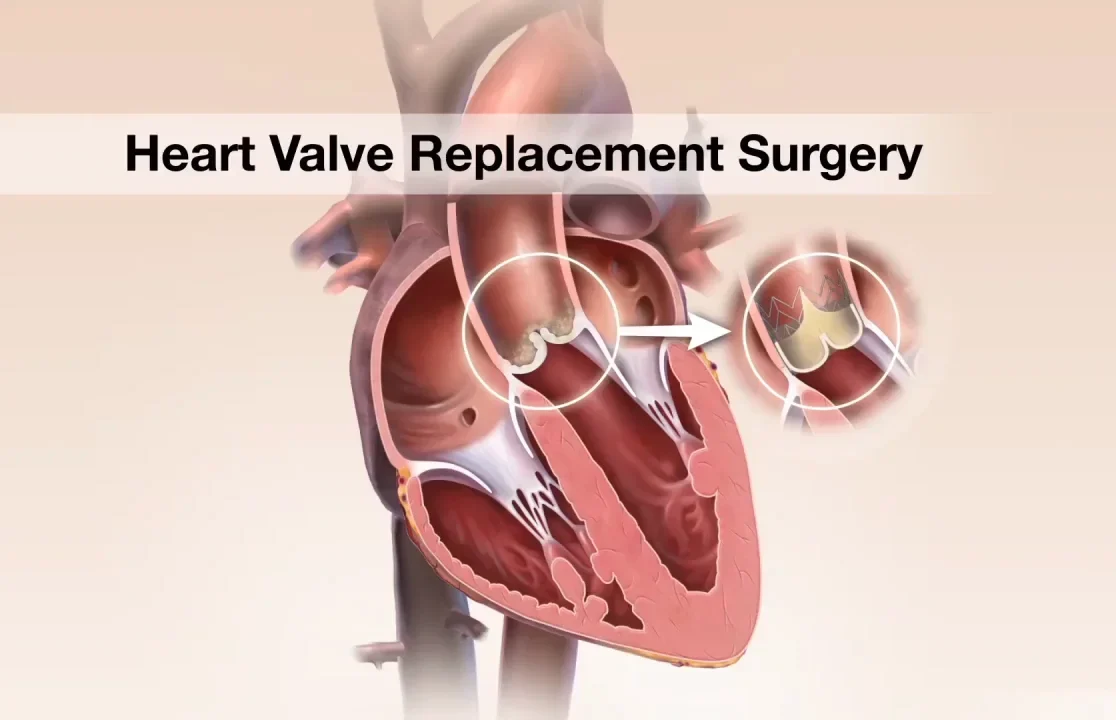
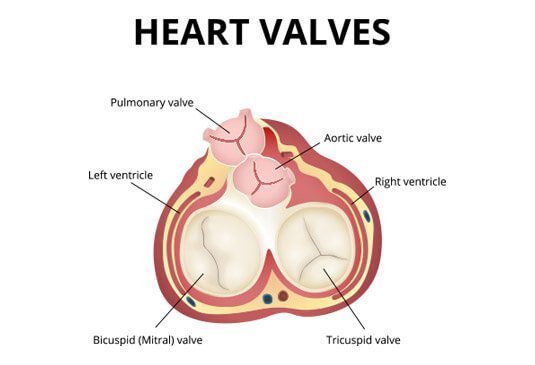
Heart Valve Replacement in Bhopal means replacing a damaged heart valve with an artificial or biological valve so the heart can work normally again. Your heart has four valves — Aortic, Mitral, Tricuspid, and Pulmonary. These valves act like “doors” that help blood flow in the correct direction.When a valve becomes narrowed (stenosis) or leaks (regurgitation), the heart has to work harder. If medicines or valve repair is not enough, doctors recommend valveHeart valve problems are common today, and if not treated on time, they can affect the heart’s ability to pump blood properly. At our centre, we offer Heart Valve Replacement in Bhopal with modern technology, expert cardiac surgeons, and a strong focus on patient safety. replacement
Why Do You Need Valve Replacement in Bhopal?
Heart Valve Replacement in Bhopal Our may need Valve Replacement in Bhopal if your heart valve becomes too weak, too tight, or too damaged to work properly. When a valve stops opening or closing correctly, your heart has to work harder to pump blood. Over time, this can lead to serious health problems, including heart failure.
In Bhopal, valve replacement is recommended for patients who suffer from advanced valve disease, unmanageable symptoms, or complications detected during diagnostic tests like echocardiography, CT scans, or cardiac catheterization. Modern cardiac centers in Bhopal, such as Cardiac Care Associates, use advanced surgical and minimally invasive techniques to ensure safer outcomes and faster recovery.
He provides:
- The valve is too damaged to repair
- There is severe stenosis
- There is severe leakage causing heart failure
- The patient has repeated symptoms
- The heart is becoming weak
- Repair surgery has failed or is not possible
Common Symptoms of Valve Disease
Heart Valve Replacement in Bhopal Heart valve disease develops slowly, and many people ignore early signs. But knowing the symptoms can help you get treatment at the right time and prevent serious heart problems. Here are the most common symptoms of valve disease:
- Shortness of Breath
- Chest Pain or Tightness
- Fatigue (Extreme Tiredness)
- Swelling in Feet, Ankles, or Legs
- Irregular or Fast Heartbeat (Palpitations)
- Persistent Cough or Breath Sounds
- Dizziness or Fainting Spells
- Persistent Cough or Breath Sounds
Heart Valve Replacement in Bhopal If you have breathlessness, chest pain, fatigue, swelling, palpitations, dizziness, or trouble exercising, you may have a valve problem.
These Common Symptoms of Valve Disease should never be ignored. Early diagnosis helps prevent major heart complications and improves long-term health.
Risks of Valve Replacement
Heart Valve Replacement in Bhopal Valve Replacement is a life-saving heart surgery, but like any major procedure, it has some risks. These risks are not the same for every patient — they depend on age, health condition, type of valve used, and overall heart strength.
- Bleeding During or After Surgery
- Infection
- Blood Clots
- Irregular Heartbeats (Arrhythmias)
- Stroke
- Problems with the New Valve
- Need for Lifelong Medicines
- Breathing Problems After Surgery
- Kidney Strain
Early checkup helps prevent heart attacks.
Types of Valves Used in Valve Replacement in Bhopal
1. Mechanical Heart Valves
- Long-lasting (20–30+ years)
- Ideal for younger patients
- Very strong and reliable
2. Biological (Tissue) Heart Valves
- Very natural working pattern
- Lower risk of clotting
- Good for older patients
3. Homograft (Human Valve)
- Very natural structure
- Best for aortic and pulmonary valve replacement
- Low infection risk
4. TAVI/TAVR Valve (Transcatheter Valve)
- No open-heart surgery
- Small cut near the leg
- Fast recovery
FAQ on Valve Replacement in Bhopal
Valve Replacement in Bhopal is a heart surgery where a damaged heart valve is removed and replaced with a new mechanical or biological valve. This helps the heart pump blood smoothly and reduces symptoms like breathlessness, chest pain, and tiredness.
Doctors recommend Valve Replacement in Bhopal when the heart valve becomes very narrow (stenosis) or very leaky (regurgitation). If medicines are not helping, or if the heart becomes weak, valve replacement becomes the safest and most effective treatment.
Valve Replacement in Bhopal is very safe when performed by experienced cardiac surgeons in a well-equipped heart hospital. Modern techniques, advanced ICU care, and high-quality valves have greatly improved success rates and reduced complications.
During Valve Replacement in Bhopal, doctors may use:
Mechanical valves (long-lasting, require blood thinners)
Biological valves (natural, do not require lifelong blood thinners)
TAVI/TAVR valves (minimally invasive for high-risk patients)
Your doctor will decide which valve is best based on age, lifestyle, and health condition.